Farm Safety Kit
A few simple things to wear, carry, and remember before you head out to a farm. These are suggestions, not guarantees — please use your own judgment.
Before you travel
Confirm the farm's exact location, timing, and a contact number. Share your plan with a family member or friend, including when you expect to return. Check local transport options in advance; many farms are outside town limits.
What to wear
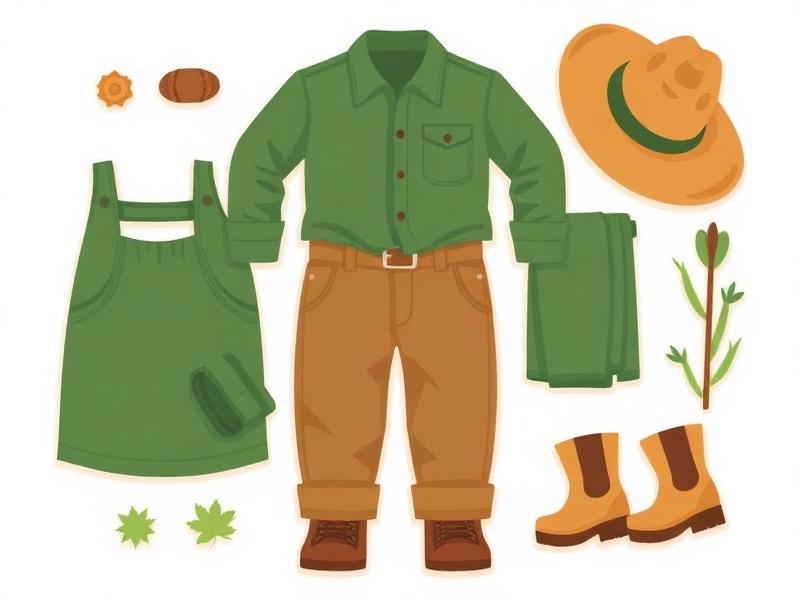
Choose full-coverage cotton or linen clothing that breathes in heat. Long sleeves and long pants protect against sun, thorns, and insects. Wear closed, sturdy shoes or boots with good grip — avoid sandals. A wide-brim hat or cap helps during midday sun.

Skin & sun protection
Apply sunscreen on exposed skin, wear sunglasses, and carry lip balm. Bring rehydration salts or an oral electrolyte mix, especially in summer. Take breaks in shade and drink water regularly.
Hand & body protection
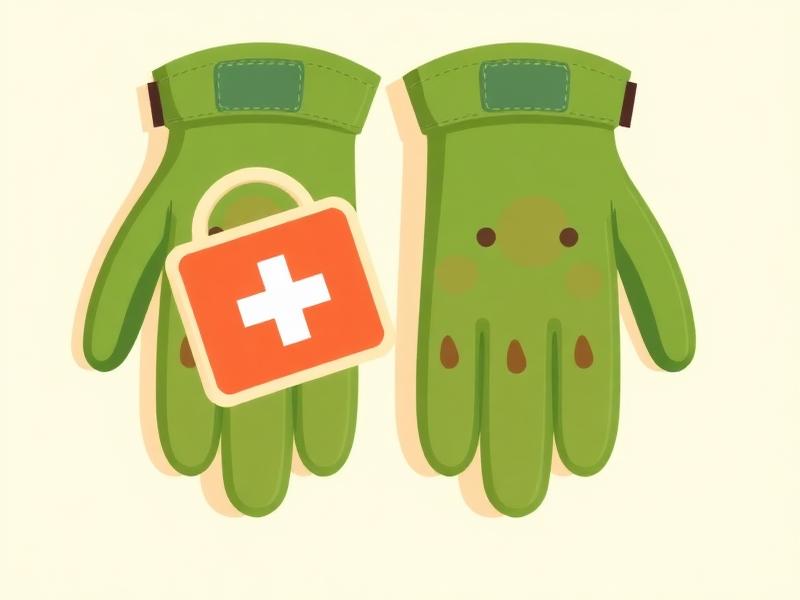
Bring durable work gloves — rubber-coated or canvas gloves work well for handling soil, tools, and plants. An old mat or knee pad is useful for squatting work. Carry a small personal first-aid kit with bandages and antiseptic for minor cuts or scratches.
Hydration & snacks
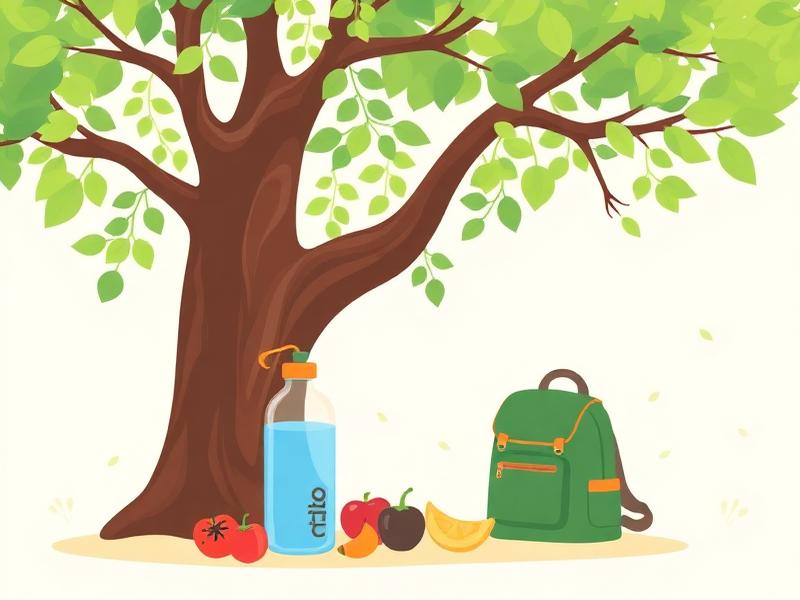
Carry your own water bottle and light snacks. Do not assume the farm will provide food or clean drinking water. If you have dietary needs, plan ahead and communicate them with the farm owner before you arrive.
Optional but useful
Insect repellent, a small towel, a change of clothes, and a rain cover or light poncho during monsoon months can make the day much more comfortable. A fully charged phone and a power bank are also helpful in rural areas.
What to avoid
Skip open-toed footwear, loose jewelry, and headphones while using tools or working near machinery. Avoid heavy backpacks that strain your back during bending or lifting tasks.
Minors must be accompanied
People under 18 should always visit farms with a responsible adult. Farm owners may decline minors if this condition is not met.
Remember
YuvaKrishi is only a connection platform. We do not arrange travel, food, accommodation, or insurance. Every farm is different, so talk to the farm owner directly, ask questions, and leave any situation that feels unsafe.